
| 2024
Redesigning the Product Creation Workflow for Merchandisers : Faster Launches, Fewer Errors, Higher Trust
ROLE
Lead UX Designer and Researcher
what i did
Product Design
\
Interactive Prototyping
\
User Research
\
Stakeholder Management
\
Usability Testing
TEAM
PM
\
3 Engineers
\
Tech Lead
impact
57%
reduction in customer support tickets.
4
new customers acquired after redesign.
7
new components adopted across the design system
PROBLEM
As the customer base grew, the product CRUD interface became a key point of friction, slowing down teams, causing critical errors, and preventing products from going live. The cost was lost revenue and reducing trust.
Uptick in unsolved support tickets.
Products were not showing on storefronts and merchandisers had no idea why.
Complaints from the Sales team.
A clunky UI was costing us sales. Prospects chose simpler tools that looked better.

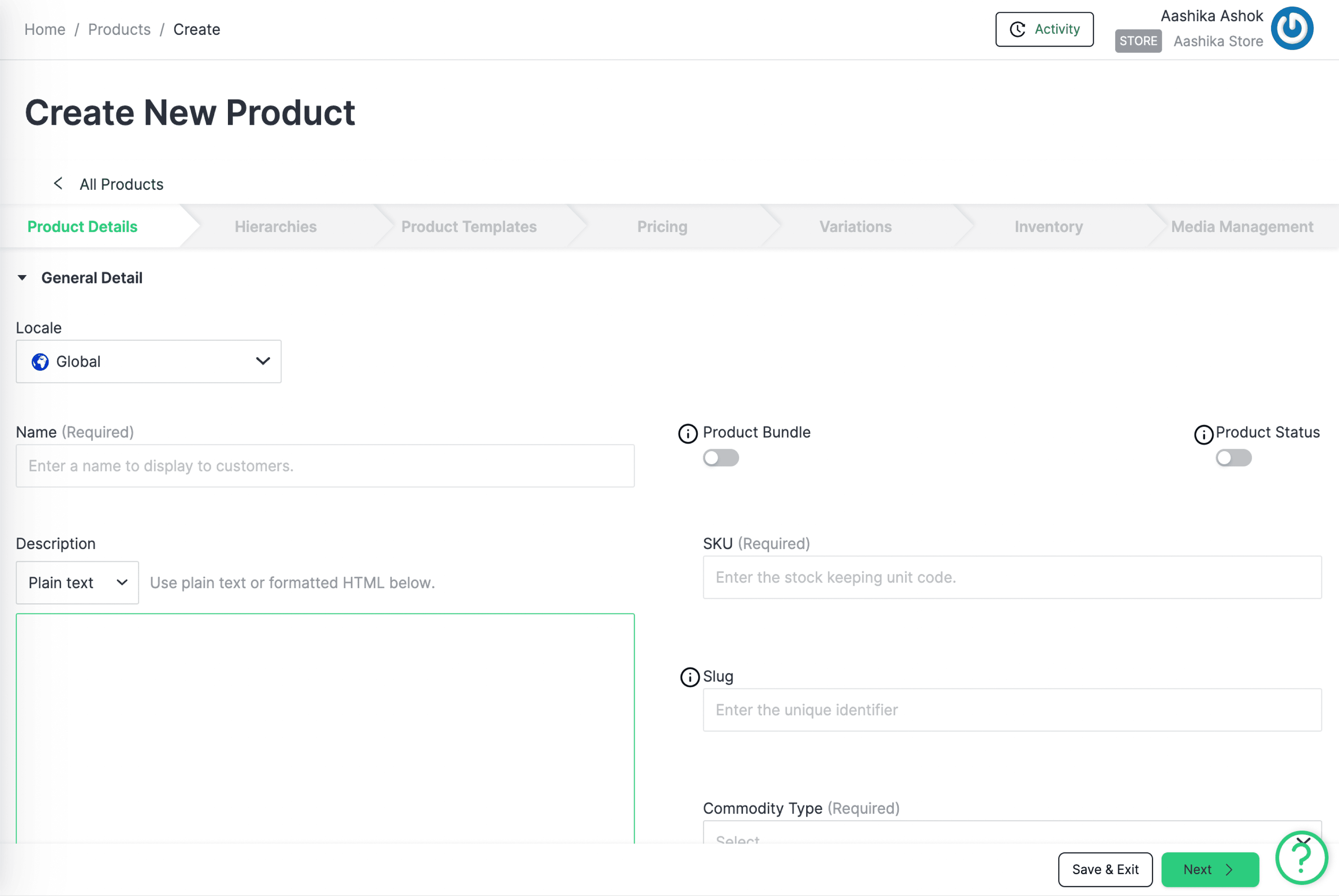
Critical usability issues -> losses
Behavioural analysis revealed legacy UI did not support all and teams were losing time and money.
2
3
4
1
SOLUTION
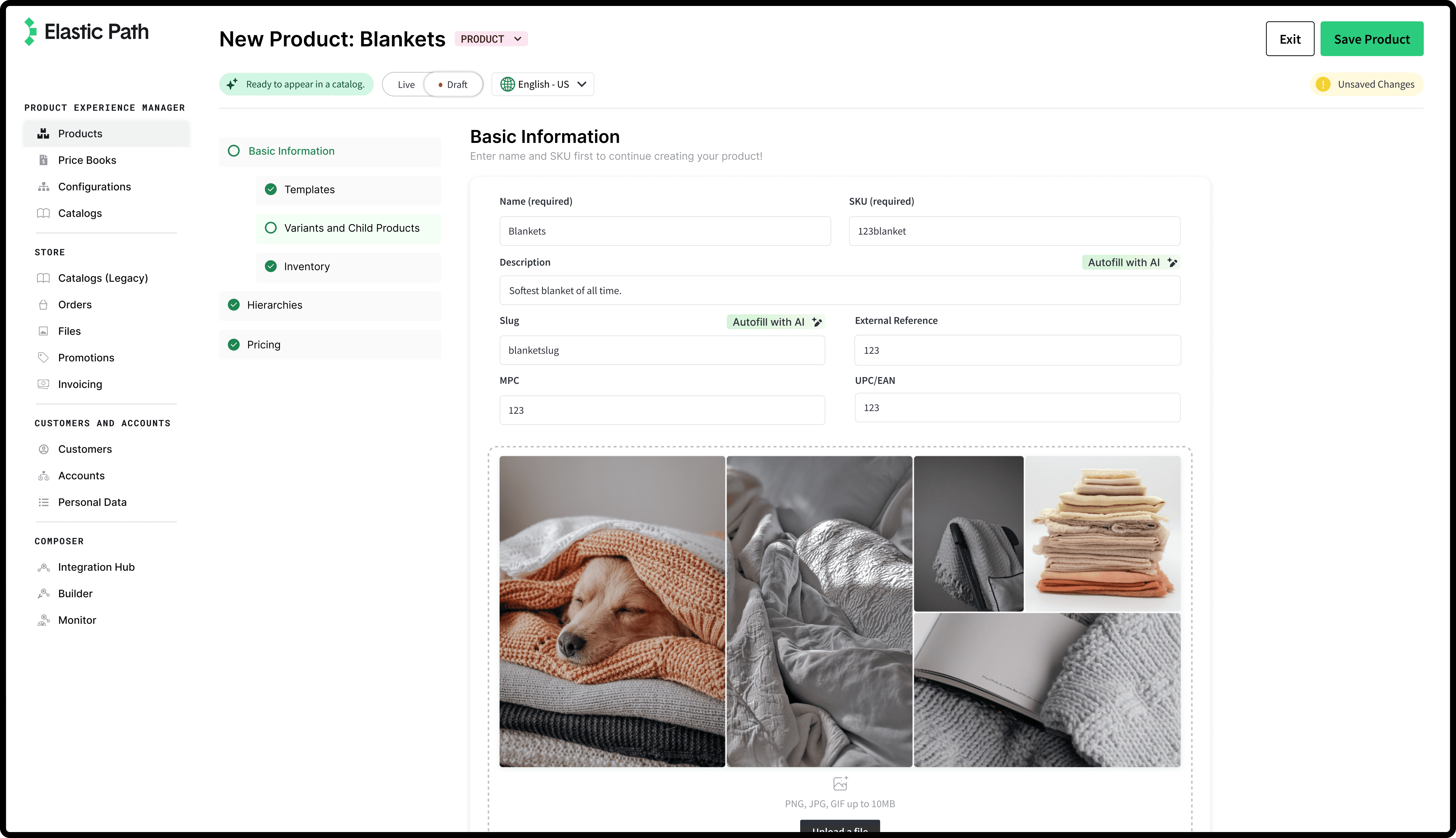
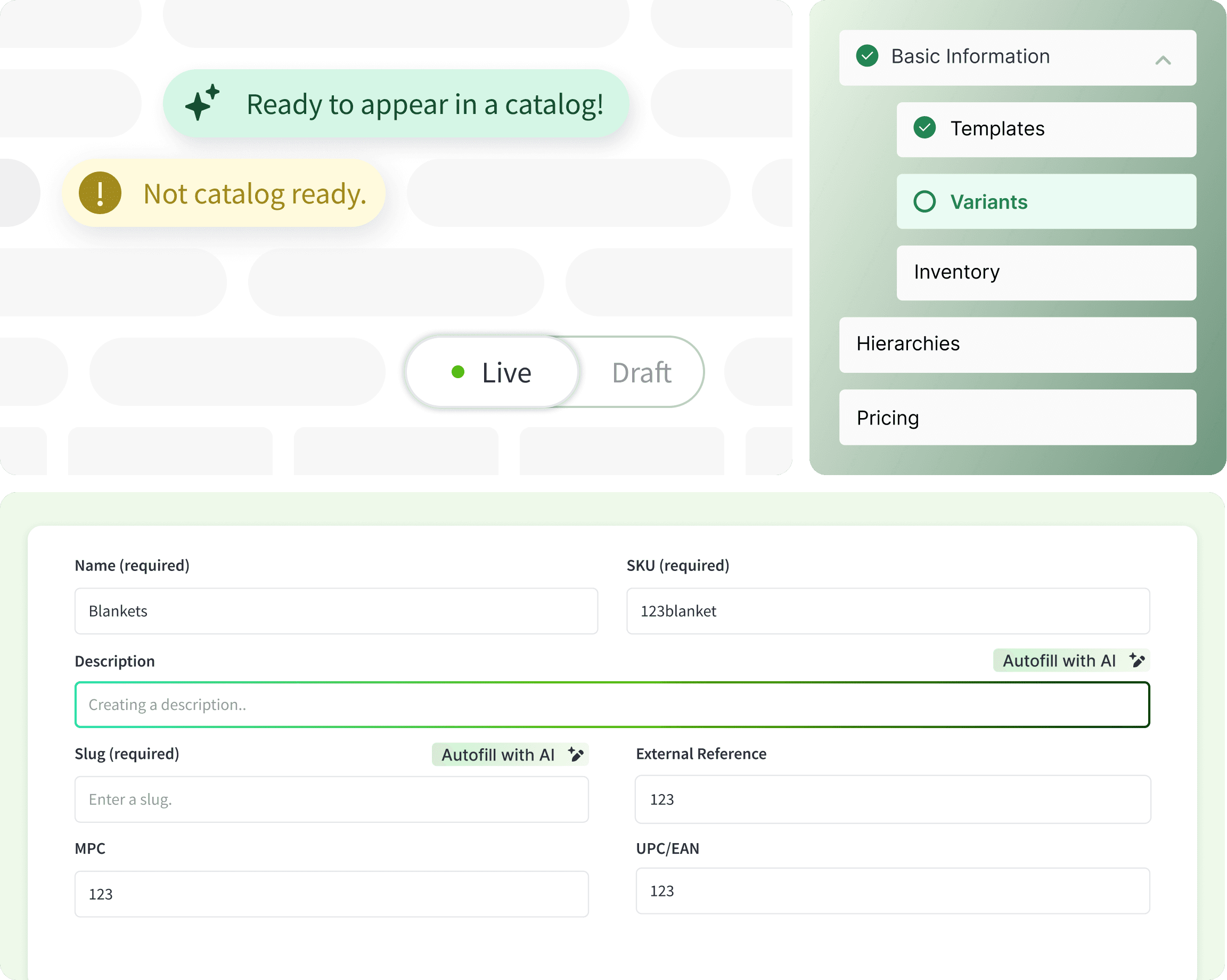
Ground-up redesign of the product creation workflow. New layout, form, navigation and status indicator design that influenced the design system across 4 product teams.
business goals
The problem we identified mapped directly to two business goals - which is what got the project prioritized.
Modernize the platform's UI to reflect it's capabilities and rival competitors.
Enable rapid customer value through product-led onboarding.
process
The new UI impacted various platform features and teams.
Throughout the project, I needed to align with the broader design and dev teams at each stage because of this.
ALIGN
ALIGN
3 Product Teams
ALIGN
Design Team
PM
ALIGN
SDEs
Research and Discovery
Validate
Track Metrics
Build
Test
Design
Iterate
Scope for Roadmap
RESEARCH plan
I ran contextual inquiries, user session observations, behavioral analytics, heuristic analysis, and competitive research to understand the full scope of the problem.
4 competitors' CRUD processes to identify patterns and opportunities
Tracked and ranked issues based on criticality.
50+ behavior analytics sessions on PostHog to identify friction points.
5 Zoom sessions to understand daily customer interactions with the interface.
Remote
Contextual
Inquiries
User Session
Observations
Heuristic
Analysis
Competitor
Analysis
user goals and pains
Research revealed 2 distinct user groups with different workflows but identical pain points.
Enterprise Merchandising Teams
TEAM STRUCTURE
Multiple collaborators per product.
CRUD WORKFLOW
Divided, specialized tasks.
ELASTICPATH USAGE BEHAVIOR
Use Most features, complex product catalogs.
MAIN NEED
Coordination, visibility, error prevention.
Small Business Merchandisers
TEAM STRUCTURE
One person does everything.
CRUD WORKFLOW
One person, full responsibility.
ELASTICPATH USAGE BEHAVIOR
Basic features, simple product catalogs.
MAIN NEED
Simplicity & reliability.
Despite different workflows, both groups shared the same pain points, which shaped the opportunity areas for the redesign.
Poor onboarding hiding key features.
Users couldn't distinguish the all the product types that could be created.
No product status visibility - losing revenue.
No visibility into whether a product was live, draft, or incomplete.
Mental model mismatch with merchandising teams.
Interface not built for how merchandising teams actually work.
DESIGN PRINCIPLES
Shared goals across both groups pointed to one job to be done - and three principles to design toward.
Because the two user groups had different workflows but the same underlying frustrations, I used the Jobs To Be Done framework to anchor design decisions around shared goals rather than divergent personas.
When merchandisers need to create or update products on Elastic Path,
they want a clear, fast, and reliable interface,
so they can confidently publish accurate product data without delays or costly errors.
Design trust into workflow.
Design for workflow flexibility.
Add delight to the interface.
USABILITY TESTING
I did 2 cognitive walkthroughs with the sales team and 3 with existing users. Since our Sales team used our interface to demo to prospective customers, I decided to test the new interface with them as well.
Quantitative Insights
100% task completion rate
33% decrease in task completion time
Improved SUS Score
Old SUS Score
64.3
New SUS Score
88.5
Key Iterations
back-end changes
We uncovered features and broken back-end processes that got added scope of the build.
Better notifications
Increased context on notifications so users found them valuable instead of disruptive.
Updated UI patterns
Old icons and UI patterns were replaced after testing showed they weren't working.
impact and reflection
Presenting research data is different from communicating why stakeholders should care about the data.
Improving the notification system helped surface broken back-end structures — something that wouldn't have been caught without usability testing. Getting engineers to expand scope mid-project required more than showing them the findings. It required reframing the data in terms of what mattered to them. That gap between presenting research and making it land — that was the sharpest thing I took away from this project.